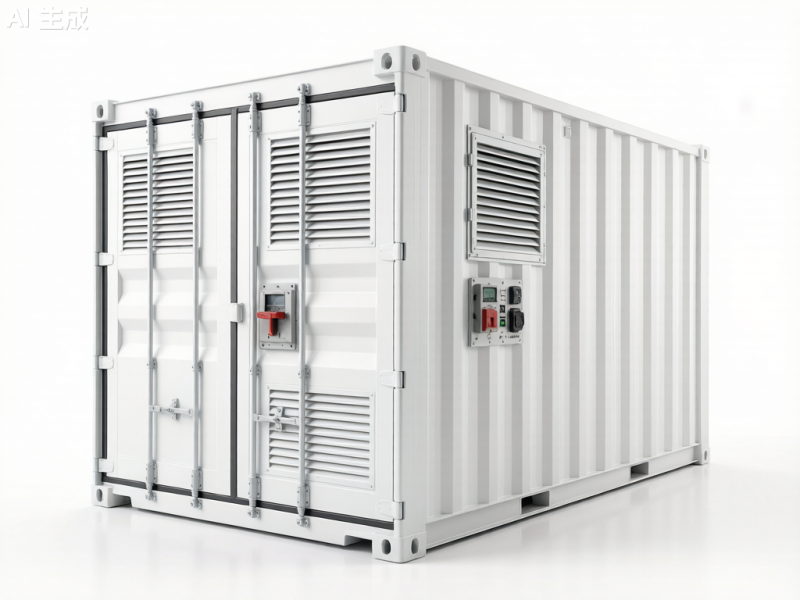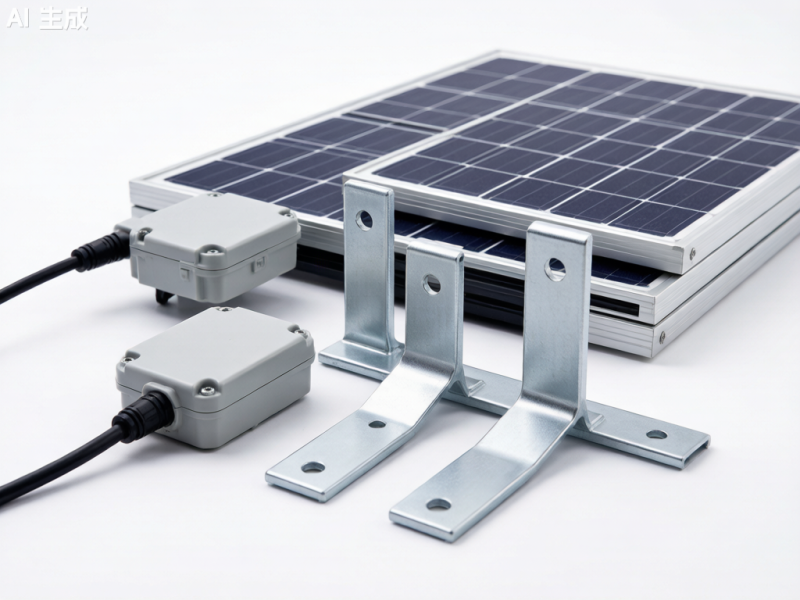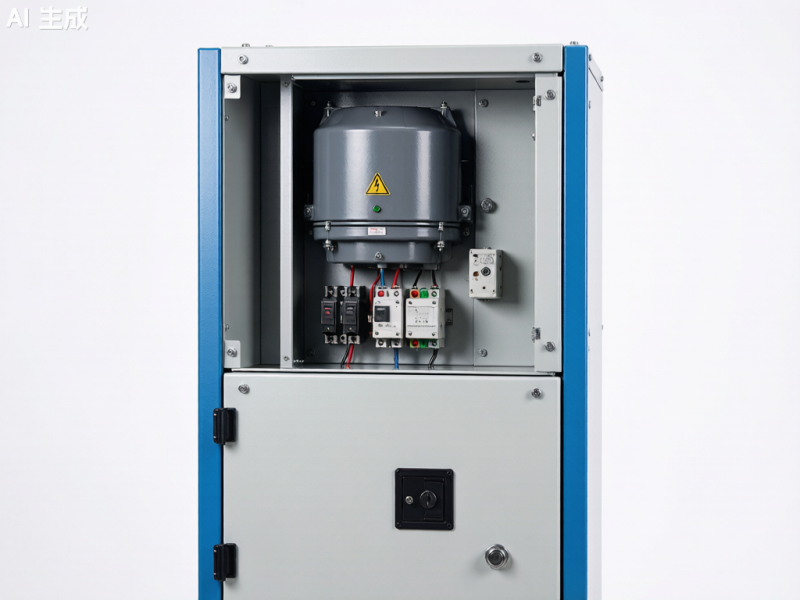
Containerized power systems represent the fastest way to deploy reliable electricity in remote locations. A complete microgrid — generator, solar inverters, battery storage, switchgear, and control system — pre-assembled in a standard ISO shipping container, factory-tested, and ready to operate within hours of arrival. Here’s what 200+ deployments have taught us about getting it right.
Why Containerize? The Case for Plug-and-Play Power
Traditional power system installation in remote areas typically requires:
- 4–12 weeks of on-site civil works (foundations, buildings, cable trenches)
- 2–4 weeks of equipment installation and wiring
- 1–2 weeks of commissioning and testing
- Skilled labor flown in, accommodated, and fed on-site
A containerized system compresses this timeline to:
- 1–3 days of site preparation (level ground, cable trench to load)
- Under 4 hours from container arrival to power-on
- Factory commissioning — on-site is verification only
- Zero specialized labor required on-site (plug-and-play connections)
Container Design Architecture
A well-designed containerized power system follows a modular internal layout:
Compartment 1: Generator Bay
The diesel generator occupies roughly 40% of a 20ft container. Key design considerations:
- Airflow: 15–20 air changes per minute for cooling. Louvered intake at one end, forced exhaust at the other
- Noise attenuation: Double-wall construction with mineral wool insulation reduces noise from 105 dBA (bare engine) to < 75 dBA at 7 meters
- Fuel storage: Integrated double-wall day tank (1,000–2,000L) with leak detection. External bulk tank connection for extended runtime
- Vibration isolation: Spring mounts decouple the generator from the container structure
Compartment 2: Power Electronics Bay
Solar inverters, battery PCS, and switchgear in a temperature-controlled section:
- Thermal management: Dedicated HVAC maintains 25±5°C for electronics. Inverter efficiency drops 0.3–0.5% per °C above 25°C
- Cable management: Top-entry cable tray with fire-rated separation between power and control cables
- Arc flash protection: Internal arc-rated compartment with pressure relief vent to exterior
Compartment 3: Battery Room
LiFePO₄ battery racks with integrated BMS and fire suppression:
- Thermal runaway prevention: Per-cell temperature monitoring, automated disconnect at 60°C
- Fire suppression: Aerosol-based automatic system (no water damage to electronics)
- Ventilation: Hydrogen detection + forced ventilation (LiFePO₄ has very low gassing risk, but detection is standard)
Container Sizes and Capacities
| Container | Diesel | Solar Inverter | Battery | Typical Application |
|---|---|---|---|---|
| 10ft | 50–100kVA | 50–100kW | 100–200kWh | Telecom towers, small communities |
| 20ft | 200–500kVA | 100–300kW | 200–800kWh | Resorts, construction camps, clinics |
| 40ft | 500–1000kVA | 300–600kW | 500–2000kWh | Mines, industrial, large communities |
| 40ft HC | 1000–2000kVA | 500–1000kW | 1000–5000kWh | Large mines, military bases, islands |
Real-World Performance: Kenya Mining Microgrid
A 40ft containerized hybrid system deployed at a remote gold mine in Kenya:
| Metric | Before (Diesel Only) | After (Containerized Hybrid) |
|---|---|---|
| Daily diesel consumption | 1,200 L | 380 L |
| Fuel savings | — | 68% |
| Generator runtime | 24 hours/day | 6 hours/day |
| Monthly maintenance | 4 visits | 1 visit |
| CO₂ reduction | — | 785 tons/year |
| Deployment time | — | 3 hours 20 minutes |
| Annual savings | — | $312,000 |
Lessons Learned from 200+ Deployments
- Shipping damage is real — Always include shock sensors in the container. We’ve seen 15G impacts during rough-sea transport. Internal bracing must be rated accordingly.
- Condensation kills electronics — Include a small dehumidifier or desiccant breather, especially for tropical deployments. Power up HVAC 1 hour before energizing electronics after transport.
- Local fuel quality varies — Include a fuel polishing system in the day tank circuit. Contaminated diesel is the #1 cause of generator failure in remote sites.
- Remote diagnostics save millions — Every system should have satellite or cellular connectivity for remote monitoring. Our data shows 70% of issues can be resolved without sending a technician.
- Spare parts in the container — Include a 2-year consumables kit (filters, belts, fuses, coolant). The cost is < 1% of the system price but saves weeks of downtime waiting for parts.
Is Containerized Right for Your Project?
Containerized systems excel when:
- Site access is difficult or seasonal
- Skilled labor is unavailable locally
- Speed matters (disaster relief, urgent production start)
- The system may need to relocate in the future
- You want factory-quality assembly and testing
For permanent installations with easy access and available skilled labor, a traditional built-on-site approach may offer more flexibility at slightly lower equipment cost — though the total installed cost is often comparable.
Discuss your project requirements with our engineering team. Request a proposal with container sizing and cost estimate.